
Last Updated on January 30, 2026 by Ed Joven
In the past few years, digital gaming has edged closer to the heart of Filipino culinary life. By 2023, reports pegged the number of active online gamers in the Philippines at around 39 million. These days, it’s not unusual for friends and families to spend an evening together, even from a distance, by gathering virtually for casino-style game nights that pair competition with comfort food. The lure of familiar flavors ties these gatherings together, creating fresh rituals out of old favorites. As food delivery apps become the norm in Philippine cities, with over 60% of urban households using them, local cuisine now appears on the menu at many virtual events, bridging the digital divide in a distinctly Filipino way.
Pairing Digital Play and Local Cuisine
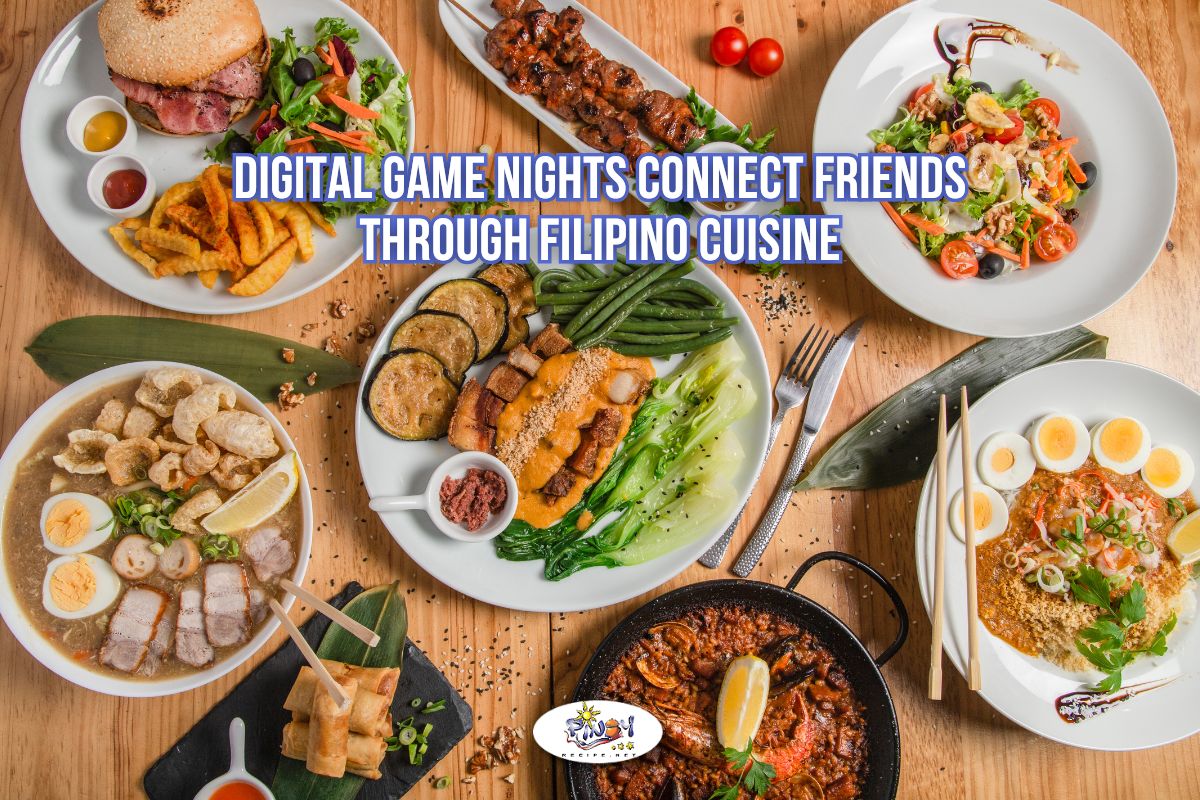
A virtual casino night, Filipino-style, rarely feels complete without a spread of beloved local food. Pancit Canton, lechon, or a plate of lumpiang shanghai isn’t merely an afterthought, these dishes set the tone and spark conversations. Organizers have caught on, sending out invites that nudge guests to order from Filipino restaurants or whip up simple dishes at home. As online casino communities keep expanding, many newcomers start by browsing resources like explore the best online casinos on this page to get their bearings and maybe pick up a few menu ideas along the way.
When game night is on, screens light up with kare-kare, adobong manok, or the bright colors of halo-halo. It’s common for participants to show off their spread before play begins, sometimes trading kitchen tips or delivery finds. Scheduled food breaks give everyone a reason to step away from the tables and check in over bites of their favorite comfort food. One survey a few years back suggested that about one in three Filipinos in the city join virtual shared meals monthly, a number that seems to rise wherever online casinos find a foothold.
Menu Essentials for Gaming Nights
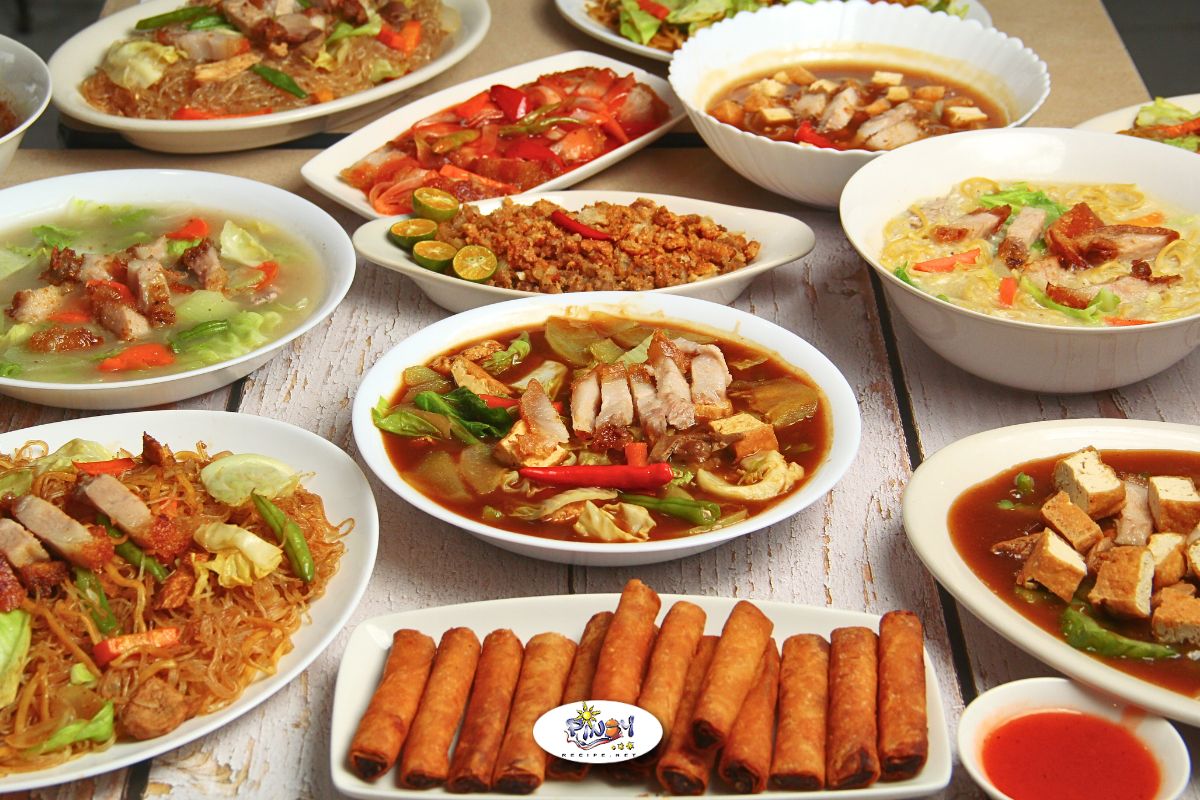
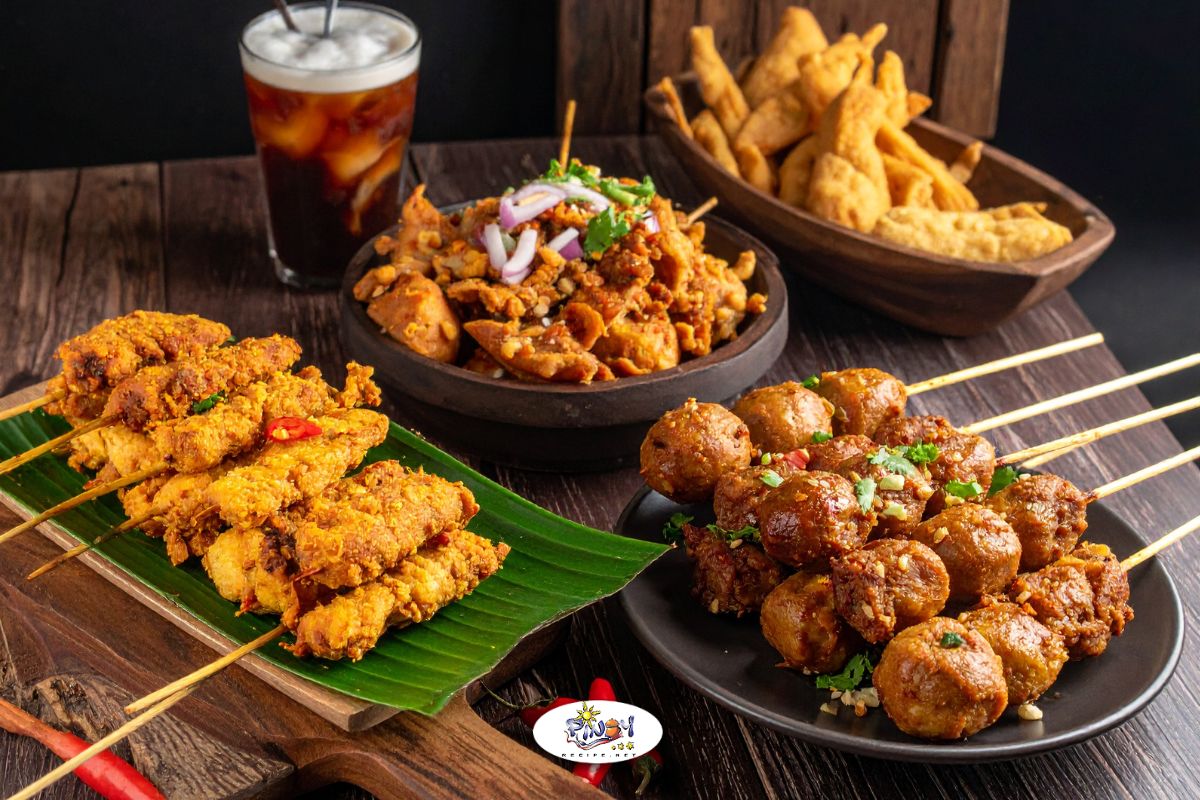
No two group menus look quite alike, but a handful of snacks crop up again and again. Lumpia, of course, but also kwek-kwek for a quick, crunchy bite between hands. Sisig usually draws the hungrier guests, especially when the night is long and the pace relaxed. Pancit and other noodles are popular for good reason: easy to serve satisfying, and endlessly customizable depending on what’s in the fridge.
Planning starts early. Hosts will pass around suggested recipes or takeout picks so everyone’s prepped. These lists often reflect the region, Ilocano guests might go for empanada, while someone from Bacolod might show up with chicken inasal or batchoy. A vibrant dessert, maybe bibingka or puto, often wraps things up. With thousands of local food businesses now offering delivery, getting authentic flavors is rarely a problem.
In truth, the pre-event chatter, exchanging pictures, debating which version of a dish is best, can be as much fun as the games themselves. Sometimes, a snapshot of someone’s homemade pancit turns into a recipe swap before the roulette wheel even spins.
Building Atmosphere Beyond Gameplay
The food sets the tone but isn’t the whole story. Decorations sneak into the frame, baskets woven from natural fibers, capiz shell lanterns, or tables decked out in bold traditional prints. These details may be small, yet they have a way of drawing everyone into the same lively mood, even when screens are the only thing shared.
Music rarely gets left out. A well-chosen playlist, maybe some OPM hits or nostalgic pop, serves as the event’s undercurrent. Some groups punctuate the evening with trivia about regional dishes or lighthearted contests for best table setup, adding another layer of connection. While one person might dress up in a classic barong, another may represent their go-to dish with a splash of color. It’s the mixing of old customs with new tech that makes these nights feel unique.
Evolving Traditions and Social Dynamics
Online game nights haven’t stood still. Some hosts blend small gatherings at home with video calls looping in relatives from afar, creating hybrid parties out of necessity and creativity alike. Kitchen demos sometimes kick things off, as a friend or local chef talks through a family recipe while everyone else marvels (and takes notes).
Groups use these events as a springboard for all kinds of variations, sometimes keeping it casual, sometimes turning up the formality with themes or prizes for the fanciest dish. Flexibility means more people find their own rhythm in the tradition, and perhaps, that’s why these gatherings stick around even as routines keep shifting.
Supporting Responsible Play
Blending Filipino cuisine with digital game nights brings people closer, but it’s worth remembering that moderation matters. Good hosts schedule breaks, put gentle limits on playtime, and keep resources at hand for anyone seeking support. Meals and small talk help everyone step away from the screen and check in with each other. In the end, the aim is always balance, so that fun and connection win out, and everyone leaves feeling good about the night.




Leave a Reply