
Last Updated on June 25, 2026 by Ed Joven
By 2026, the evolution of Malaysian sports had led to a radical shift in how fans experience sporting events. While fans still enjoy visiting stadiums and sharing the atmosphere with fellow fans, this is no longer their only source of excitement. For many fans, the stadium atmosphere is now complemented by following news on social media, watching online broadcasts, studying statistics, and participating in the fan community.
This shift is especially clear in football, badminton, motorsport, and esports. Malaysian fans want instant access to scores, lineups, tactical updates, short clips, and post-match reactions. Some also connect live match data with online betting, where odds, statistics, and in-game events make sports feel more analytical.
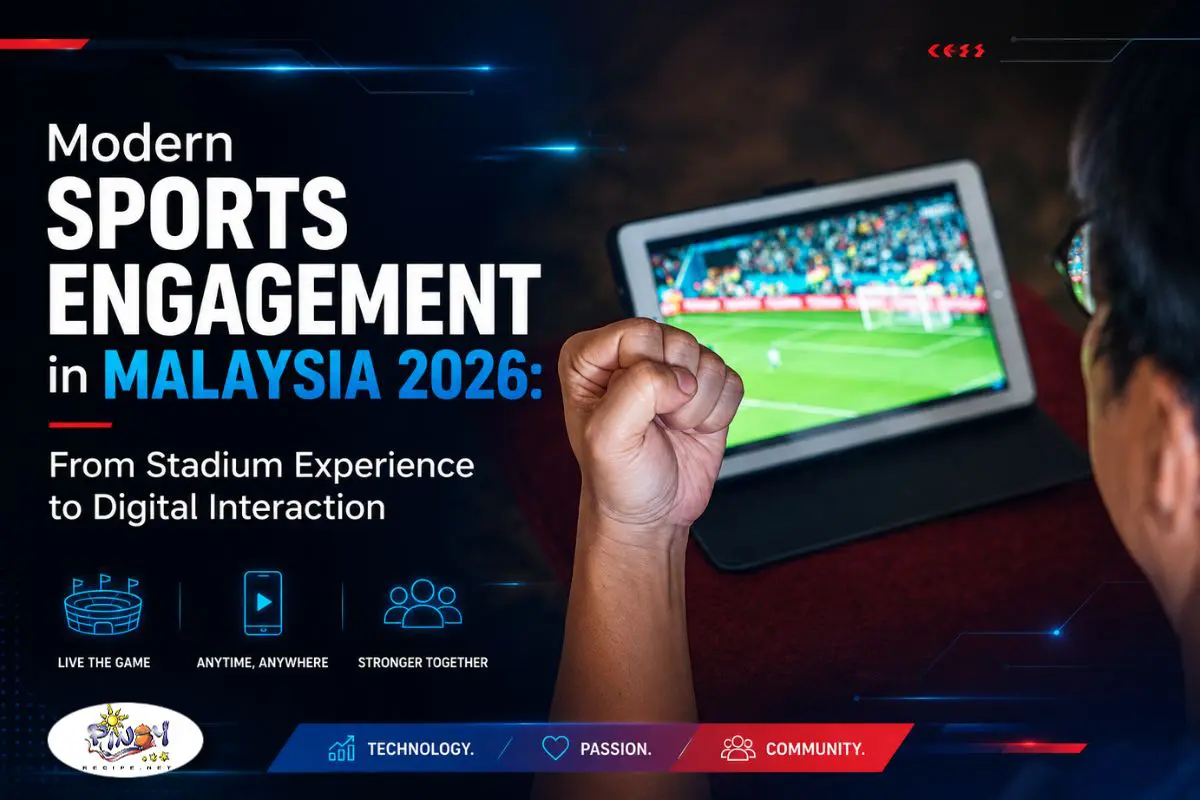
From Stadium Atmosphere to Mobile Screens
Stadiums remain important because they offer fans the purest form of sporting enjoyment. A goal, a save, a foul, or even an entire match feels different when thousands of people react to it all at once. The sounds, the chants, the anticipation, the tension, and the relief—these are the things that stay with you forever.
Nowadays, stadiums are filled with spectators, many of whom are also using their phones. They record, post, check stats, read comments, and watch replays while sitting in the stands. Physical and digital experiences happen simultaneously.
| Area of engagement | Traditional experience | Digital layer in 2026 |
| Match attendance | Stadium crowd and live emotion | Mobile tickets, clips, social sharing |
| Fan discussion | Talks with friends after the game | Real-time comments and group chats |
| Match analysis | TV pundits and reports | Live stats and tactical threads |
| Club connection | Matchday programs | Behind-the-scenes clips and player posts |
| Entertainment | One event at a fixed time | Ongoing mobile interaction |
How Malaysian Fans Interact with Sport Now
Today’s generation of fans in Malaysia is far more active than the previous one. They don’t just watch the game. They get involved in the pre-match atmosphere and the countdown to kickoff, discuss and compare the players’ form, and analyze the team lineups. They also continue discussing tactics and key moments after the final whistle.
This is partly because sports content is presented in short, easy-to-digest formats. Even if fans don’t have time to watch the entire game, they can stay up to date on what’s happening through highlights, statistics, player interviews, as well as social media posts and comments.
Common habits among Malaysian sports fans now include:
- checking team news before matches;
- watching short highlights on mobile platforms;
- following live statistics during games;
- posting reactions on social media;
- joining fan groups and comment threads;
- following athletes through official accounts.
These habits make fans more informed, but also more demanding. They expect fast updates, accurate information, and content that feels useful.
Digital Entertainment Around Sports
The growing popularity of digital sports entertainment has influenced consumer habits in the entertainment sector. Users interested in real-time match updates, instant reactions, and interactive statistics have already grown accustomed to mobile-first platforms. Consequently, sports, gaming, streaming, and digital entertainment increasingly overlap.
For example, some fans who follow live sports content also explore online casino games, where quick access, visual design, and real-time interaction are central to the experience. The connection is not that casino games and sports are the same. Rather, both belong to a wider digital culture where users expect entertainment to be instant and mobile-friendly.
This trend is also evident in Southeast Asian countries. Services such as live casino Philippines demonstrate how real-time entertainment has expanded beyond watching sports events to encompass other forms of mobile leisure. Malaysia is seeing a similar trend: fans are switching between sports news, live match results, short videos, games, and other interactive media.
The Role of Social Media and Community
Of all the factors influencing the development of Malaysian sports coverage, social media plays the biggest role. Major sporting events can inspire users to post thousands of photos. Highlights, goals, tactical clips, criticism, analysis, and memes can spread faster than traditional match reports. This gives ordinary fans more influence over how a sporting event is discussed online.
Of course, such power comes with great responsibility. A strong online reaction can shape public opinion, which may result in unfair criticism of a player. It can even bring well-deserved recognition to an underrated young player or even an underrated small club.
However, these rapid changes also have their negative consequences. Some things that can spread quickly include edited videos, the infamous fake news, and emotional outbursts. That is why the need for fast but accurate sports journalism is so high. Although analyzing a match in context is very important for fans, it must be done quickly.
Clubs, Athletes, and Year-Round Engagement
Since building an audience requires a steady stream of digital content, Malaysian clubs and athletes must stay connected with their fans and create engaging digital content even outside of competitions. Engaging digital content includes, among other things, training videos, injury updates, academy news, transfer stories, lifestyle content, and community events.
This benefits smaller and developing sports clubs. Despite limited television exposure, clubs can still engage audiences through consistent digital promotion. Additionally, a promising athlete can be easily discovered through a digital platform and even gain wider recognition before reaching national competitions.
The Future of Sports Engagement in Malaysia
By 2026, the line between stadiums and screens in Malaysian sports is becoming less clear. Stadiums still provide the live emotion, while digital platforms extend that experience into everyday life through updates, clips, statistics, and fan discussions.
While fans appreciate the energy of live events, they want more. They want the knowledge and opportunities to engage with and enjoy sports at any time, not just on specific days.
In the coming years, participation in sporting events in Malaysia must strike a balance. Clubs, media outlets, and platforms must make sports more accessible, entertaining, and engaging, while ensuring that the essence and experience of live events are preserved and that sports content is delivered in a timely manner.


Leave a Reply